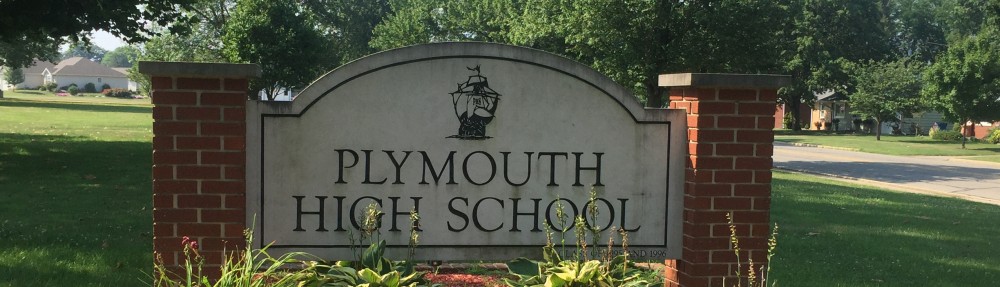

Club meetings are one of the many activities available during the SRT period. Photo by: Matthew Libersky
By Matthew Libersky
One of the most unique features of the daily schedule at Plymouth High School is the 35-minute block of time set aside that is free of classes every day – homeroom on Monday, and SRT the rest of the week aside from Friday.
The intended use of this period is to create a time for students to attend club meetings, seek help from or make up work for a teacher, work on projects, finish up homework and attend to administrative requirements such as class meetings, course registration and surveys. Teachers often also use the time to hold meetings during the week.
The extent to which students use the period effectively varies quite a bit from student to student. English teacher Mrs. Amy Schmeltz said that while there are lots of students who do use the period effectively to stay ahead on work and attend club meetings, there is also a significant population that uses it more as a period to “waste time typing Google docs messages to friends or playing games.”
Students overall also seem to echo this sentiment. Senior Jason Pickell said that the library is one of the places where this is most apparent. He said that most of the people who go to the library only go down “so they can see all of their other friends and talk till the cows come home. They don’t come to the library to work or to check out books, they use it to socialize and make obnoxious noise.”
While most students interviewed appreciated having the time available, students like sophomore Riley Cartwright would rather see it removed from the day. “I don’t like to start any work during SRT because there is not a lot of time to get in ‘the zone’ with homework. I would rather just get out earlier and have more time for things I want to do,” Cartwright said.
The argument that SRT should be abandoned for a shorter school day has been mentioned, and is technically feasible. Indiana law requires that each school day have at least six hours of instruction. Currently, there are five 70-minute periods, making an SRT-less day have five hours and 50 minutes of instructional time, which is compensated with on Friday by 10 minutes added on to second period. The choice to have SRT effectively has nothing to do with the length of the school day.
“They’d better not take SRT away to add more time in for class,” junior Kurt Corsbie said.